

Last Updated: November 2, 2026
Quick Summary
Northern Colorado gutter maintenance means cleaning your gutters at least twice a year, in late spring and early fall, and more often under pine or cottonwood cover. Clean gutters before the first freeze prevent ice dams, icicles, and rotted fascia.
- Homes under heavy tree canopy may need four cleanings a year because clogs form within weeks in fall.
- Clear winter debris in March and check for loose hangers and cracked seams before spring rains.
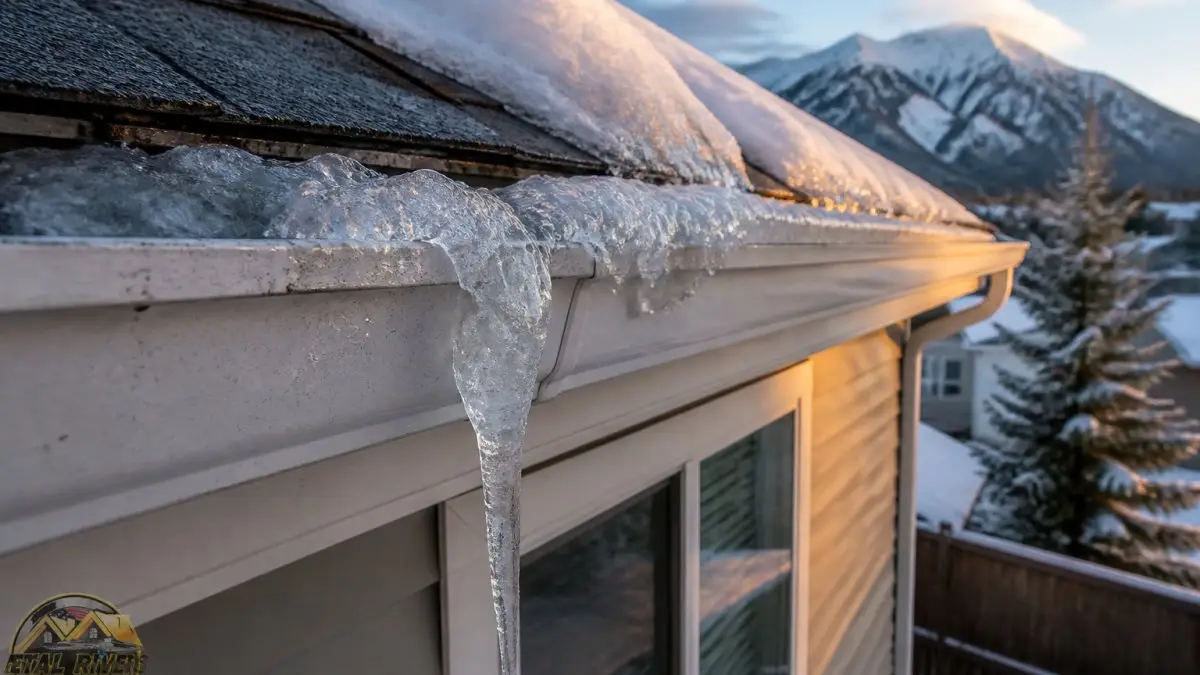
- Icicles hanging from the gutter edge signal a backup and possible ice dam, not just winter decoration.
- Make sure downspouts discharge water at least 4 to 6 feet from the foundation.
- Never chip ice out of a gutter with a hammer or sharp tool, since you can crack the metal or tear seams.
Table of Contents
- Why Gutter Maintenance Matters More in Northern Colorado
- How Often to Clean Gutters in Northern Colorado
- Your Seasonal Gutter Maintenance Calendar
- Gutter Inspection Checklist: What to Look For
- Gutter Guards Pros and Cons for Tree-Dense Properties
- Winter Gutter Ice Prevention: Stop Ice Dams Before They Start
- DIY Gutter Cleaning vs. Professional Service
- Schedule Your Free Gutter Inspection
- Frequently Asked Questions
Why Gutter Maintenance Matters More in Northern Colorado
A homeowner who ignores the roofline for a season often pays for it in drywall, fascia, or landscaping. Good Northern Colorado gutter maintenance tips start with understanding what makes this region hard on a gutter system.
The short answer is freeze-thaw. Water gets into a clogged gutter, freezes overnight, expands, and thaws by afternoon. Repeat that cycle all winter and metal starts to pull apart at the seams.
The freeze-thaw cycle and your gutters
A clogged gutter is basically a sponge that freezes solid. Ice pushes against hangers, joints, and the fascia board behind the gutter. Over one season, that pressure can bend hangers, open seams, and rot the wood the whole system hangs from.
The damage rarely shows up right away. Most homeowners notice it in spring, when meltwater pours over the front edge instead of down the downspout.
Pine needles, cottonwood fluff, and spring runoff
Northern Colorado yards grow debris that loves gutters. Pine needles mat down into a dense layer. Cottonwood fluff balls up and blocks downspouts. Then spring runoff hits a system that cannot drain, and water backs up under the shingles.
That is why gutter maintenance here is not a once-and-done chore. It is a seasonal habit.
How Often to Clean Gutters in Northern Colorado
Most Northern Colorado homes need gutters cleaned at least twice a year, in late spring and early fall, according to Colorado Seamless Gutters’ seasonal maintenance guide. Homes under heavy pine or cottonwood cover often need three or four cleanings.
Twice a year is the baseline, but your trees may demand more
A common mistake is treating “twice a year” as a rule carved in stone. It is a starting point, not a guarantee.
Use this quick guide:
| Your Property | Suggested Frequency | Why |
|---|---|---|
| Few trees, open lot | 2x per year | Standard spring and fall cleaning |
| Some pine or cottonwood nearby | 3x per year | Needles and fluff pack down fast |
| Heavy tree canopy overhead | 4x per year | Clogs form within weeks in fall |
| After a major hailstorm | Add one cleaning | Granules and debris wash into gutters |
If you are not sure which row fits your home, walk the roofline after a rain and look for overflow. That tells you more than any calendar.
Your Seasonal Gutter Maintenance Calendar
Think of gutter maintenance as a year-round rhythm, not a one-time chore. Here in Northern Colorado, the weather swings hard between seasons, and your gutters need to keep up. Below is a month-by-month schedule that accounts for snowmelt, fall debris, freeze-thaw cycles, and the storm patterns we actually see. Adjust it to your property, but use it as your baseline.
| Month | Task | Why It Matters |
|---|---|---|
| March | Clear winter debris and check for ice damage | Snowmelt exposes loose hangers and cracked seams; catch them before spring rains. |
| April | Flush gutters and downspouts | Remove grit and shingle granules left by winter; confirm water flows freely. |
| May | Remove cottonwood fluff and seed pods | These clog downspouts fast; a single storm can back up a neglected system. |
| June | Inspect after first heavy rain | Look for overflow, sagging, or stains that signal a problem. |
| July | Check downspout extensions | Make sure water discharges at least 4-6 feet from the foundation. |
| August | Clear early leaves and debris | Dry spells drop leaves early; keep the channel clear before fall. |
| September | Pre-fall cleaning | Remove leaves and pine needles before they mat down. |
| October | Final fall cleaning | This is the big one, a clean gutter in November prevents ice dams in January. |
| November | Check for ice dams and icicles | After the first freeze, watch for ice buildup at the gutter edge. |
| December-February | Monitor and spot-check | After snowmelt or a warm spell, look for overflow or ice dams; clear what you can safely. |
Fall is the checkpoint that matters most. A gutter packed with leaves in November becomes an ice dam in January. That ice dam can force meltwater under your shingles, rot your fascia, and send water into your basement. If you want a step-by-step walkthrough, our guide on how to clean gutters before winter covers the full process.
Mark your calendar for the first weekend in October and the first weekend in November. Those two cleanings do more to prevent winter damage than anything else on this list.
Gutter Inspection Checklist: What to Look For
An inspection is simple if you know what to check. Start on the ground, then climb up only if it is safe. In Northern Colorado, pay special attention to signs that winter ice is already causing trouble, those clues show up long before a leak does. Proactive maintenance prevents these structural compromises from worsening, which highlights the broader benefits of annual cleaning for maintaining the long-term integrity of your roofline.
From the ground: visual checks that catch trouble early
Grab a pair of binoculars and look for:
- Rust spots or peeling paint on the gutter face
- Sagging sections that pull away from the fascia
- Water stains on the fascia board or siding below
- Gutters that overflow during a rain
- Downspouts that dump water right at the foundation
- Icicles hanging from the gutter edge, these signal a backup and possible ice dam
- Ice buildup on the gutter face or behind the gutter
- Stains or dark streaks on the siding below the gutter line
Any one of these is a sign to look closer or call for help. The icicles are more than a pretty winter sight, they mean water is pooling behind the gutter and refreezing, which can force its way under your roof edge.
On the ladder: hands-on checks for a thorough inspection
If you are steady on a ladder, check the inside of the gutter for:
- Standing water that will not drain
- Loose or missing hangers
- Separated seams and joints
- Granules from shingles collecting in the channel
- Downspouts that feel clogged when you run water through them
- Ice or compacted snow in the channel, clear it before it freezes solid
Watch out: leaning a ladder against the gutter itself can bend it. Rest the ladder on the roof and use a stabilizer. If anything on the roofline looks off, our team can inspect your roofline and fascia for water damage before it spreads.
Never chip ice out of a gutter with a hammer or sharp tool. You can crack the metal or tear the seams. Use warm water to melt it, or call a pro.
Gutter Guards Pros and Cons for Tree-Dense Properties
Gutter guards cut down on cleaning, but they do not erase it. That is the honest answer, and it is the one most homeowners need to hear.
The upside is real. Guards keep out leaves and large debris, which means fewer clogs and less ladder time. About 55% of homeowners want gutter guards, according to ABC Supply’s 2026 gutter market trends report, and the U.S. gutter-guard market is projected to grow from $1.16 billion in 2026 to $1.43 billion by 2031.
The downside is that small debris still gets through. Pine needles and shingle granules can settle on top of a guard, and that layer needs occasional brushing. Guards also do not fix a gutter that is already sagging or leaking.
Best for: homes under heavy tree cover that want fewer cleanings.
Skip if: your gutters are already damaged and need repair first.
If you are weighing options for a tree-dense lot, our gutter guard installation page shows what a custom fit looks like.
Winter Gutter Ice Prevention: Stop Ice Dams Before They Start
Ice dams form when warm attic air melts snow on the roof, and that water refreezes at the cold eave. A clogged gutter makes it worse, because meltwater has nowhere to go.
Prevention comes down to three moves:
- Clean gutters completely before the first hard freeze.
- Make sure downspouts carry water well away from the foundation.
- Watch for icicles forming at the gutter edge, which signals a backup.
Those icicles are not decoration. They are a warning that water is pooling behind the gutter and working its way under the roof edge. Our ice dam prevention service prepares gutters and roofline drainage for winter.
DIY Gutter Cleaning vs. Professional Service
DIY cleaning works fine for a single-story ranch with light debris. It stops making sense when ladders, height, or heavy tree cover are involved.
Here is how we would decide:
- Go DIY if: your home is single-story, gutters are easy to reach, and debris is light.
- Hire it out if: your roof is steep or tall, you have health or balance concerns, or debris has packed into downspouts.
- Call a pro either way if: you spot sagging, leaks, or fascia damage during the check.
A common mistake is scooping leaves off the top and calling it done. Flushing the downspouts and checking water flow matters just as much. If you would rather hand it off, our gutter cleaning service covers the full job.
Schedule Your Free Gutter Inspection
Gutter maintenance is not glamorous work, but it is some of the cheapest insurance a home has. A few hours in the fall beats a winter of ice dams and a spring of rotted fascia.
Metal Rivers Gutter Company is locally owned and serves homeowners across Fort Collins and Northern Colorado. We cut seamless gutters on-site for a precise fit, back our work with a 5-year workmanship warranty, and offer free on-site inspections. We hold a BBB A+ rating and a 4.8-star Google rating from 51 reviews.
Get started with Metal Rivers Gutter Company and protect your home before the first freeze.
Frequently Asked Questions
How often should gutters be cleaned in Northern Colorado?
At least twice a year, in late spring and early fall, is the baseline for Northern Colorado. If your property has pine trees or cottonwoods, you may need to clean three or four times a year because needles and seed pods clog gutters fast. A good rule is to check gutters after every major storm and before the first hard freeze. Regular gutter maintenance keeps water flowing away from your foundation and prevents ice dams.
Can gutter guards prevent all gutter clogs?
No gutter guard stops every bit of debris, but a quality guard can reduce how often you need to clean. Small pine needles, shingle grit, and pollen can still collect on top, so you will still need to brush off the guard once or twice a year. The pros of gutter guards are less frequent cleaning and fewer blockages, but they are not a set-and-forget solution.
How do you keep gutters from freezing in winter?
Clear all debris before the first freeze so water can drain freely. Make sure downspouts discharge well away from the foundation. If you see ice building up, do not chip at it with a sharp tool. Proper winter gutter ice prevention starts with fall cleaning and good drainage.
What are the potential problems with gutter guards?
Some guards can trap debris on top, especially fine pine needles, and if not cleaned occasionally, they can cause water to overflow behind the gutter. Cheap plastic or foam guards can break down in UV light or freeze-thaw cycles.
