

Table of Contents
- What a Gutter Warranty Covers (and What It Doesn’t)
- Gutter Warranty Exclusions You Need to Know
- Gutter Warranty Length: Limited vs. Lifetime Coverage
- Gutter Installation Workmanship Warranty Explained
- How to File a Gutter Warranty Claim
- Gutter Guard Warranty and Finish Protection
- Your Gutter Warranty Document Checklist
- Conclusion
- Frequently Asked Questions
Last Updated: October 20, 2026
What a Gutter Warranty Covers (and What It Doesn’t)
A gutter warranty is a written promise from a manufacturer or installer to fix or replace gutters that fail because of a defect in materials or workmanship. It is not a maintenance plan.
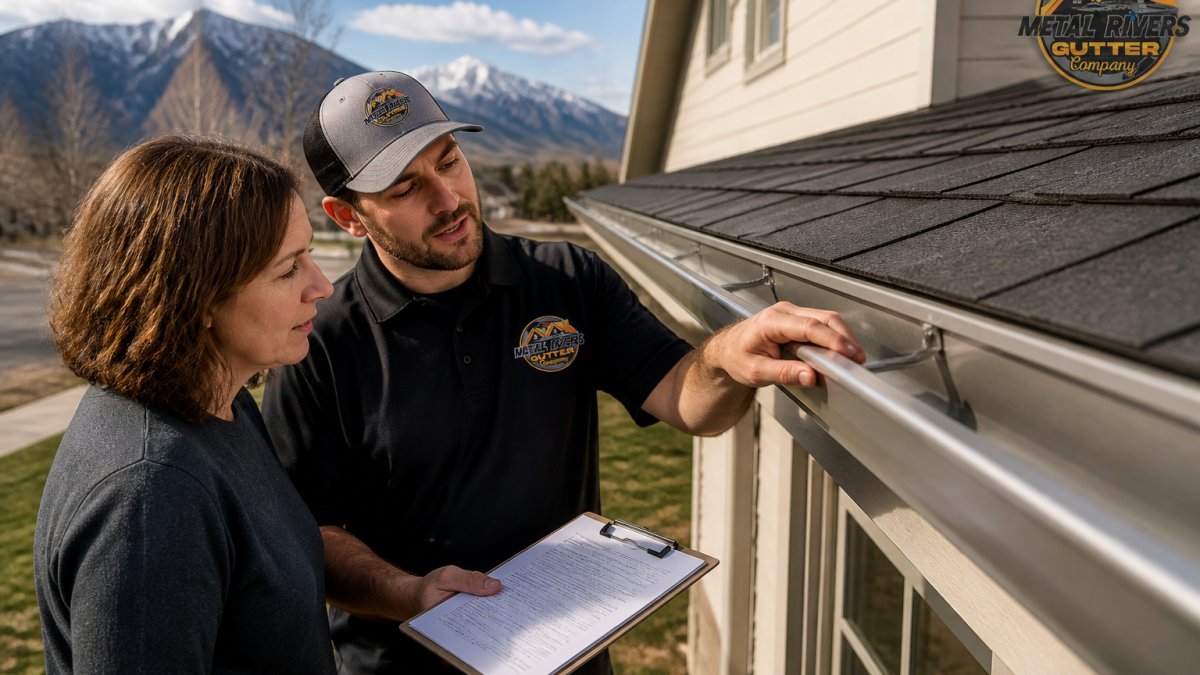
Here is the short version. A gutter warranty covers defects that were baked in before the product ever left the truck.
Most warranties split coverage into two buckets:
- Manufacturing and material defects, the product itself failed
- Workmanship and installation errors, the install failed
Everything else, from pine needle clogs to a fallen limb, usually falls outside coverage. Understanding that line is the whole game.
Manufacturing and Material Defects
A material defect is a flaw in the metal, coating, or fasteners that causes premature failure. Think of a seam that splits on its own, aluminum that pits and rusts years ahead of schedule, or a hanger that snaps under normal snow load.
These claims are usually handled by the manufacturer, not the installer. That matters, because the manufacturer’s warranty often runs longer than the installer’s.
Keep in mind that “defect” is a strict word in warranty language. A gutter that sags because a downspout was buried and water backed up is not defective. It was overwhelmed.
Workmanship and Installation Errors
A workmanship warranty covers how well the installer did the job. If a gutter leaks at a joint, pulls loose from the fascia, or drains toward the house instead of away, that is on the installer within the coverage period.
This is the warranty that actually protects you in the first few years, when most problems show up. Poor pitch is the classic example. A run that is a hair off level will pool water, and pooled water finds every weak point.
Ask your installer to write the pitch and hanger spacing into the contract. If a leak shows up later, that written spec is the difference between a covered claim and a finger-pointing match.
Gutter Warranty Exclusions You Need to Know
Gutter warranty exclusions are the specific situations a warranty will not pay for, and they are usually longer than the coverage list. Read them before you sign, not after something goes wrong.
The most common exclusions we see:
- Clogging from leaves, needles, or debris
- Damage from ladders, impact, or falling limbs
- Storm and hail damage (often a homeowner’s insurance matter instead)
- Ice dams and freeze damage
- Rust or corrosion from harsh chemicals or salt
- Scratches and color fading from sun exposure
- Improper maintenance, including skipped cleanings
- Alterations by anyone other than the original installer
That list explains a lot of angry phone calls. A homeowner with a clogged gutter and a water-stained soffit assumes the warranty failed. In reality, the warranty never covered clogs.
Winter is where this bites hardest. When snow melts and refreezes in a full gutter, the ice has nowhere to go but under the shingles or over the edge. That water refreezes on the walkway below and turns it into a sheet of ice.
Skipping fall cleanings is the fastest way to void a workmanship claim. If a contractor can show the failure came from a clog you never cleared, the claim usually dies right there.
Gutter Warranty Length: Limited vs. Lifetime Coverage
Gutter warranty length varies wildly by brand and installer, and the word “lifetime” is doing a lot of heavy lifting in most ads. A limited warranty covers specific defects for a set number of years.
Here is how the terms usually break down:
| Warranty Type | Typical Coverage Window | Who Honors It | Common Catch |
|---|---|---|---|
| Workmanship | 1 to 5 years | Installer | Void if altered or poorly maintained |
| Material defect | 10 to 30 years | Manufacturer | Prorated after the early years |
| Paint and finish | 20 years up to lifetime | Manufacturer | Fading and chalking often excluded |
| Gutter guard | Varies by brand | Manufacturer | Clogs and debris rarely covered |
A “limited lifetime” warranty sounds better than it often is. Read the proration clause. Many warranties cover the full replacement early on, then shrink the payout each year until you are covering most of the cost yourself.
Labor is the part homeowners forget. Even a generous material warranty may ship you new gutter and leave you paying for the install. Ask who pays labor before you assume the whole thing is free.
When comparing warranties, divide the total coverage years by the proration schedule to find the “effective full-coverage period.” A 30-year prorated warranty might only give you five years of full replacement value, shorter than a straightforward 10-year full warranty.
Winter ice hazards make these distinctions real. A warranty that excludes ice dam damage, common in many policies, means you are on your own when meltwater refreezes in a clogged gutter and backs up under your shingles. That is why maintenance records matter: if you can show you kept the gutter clear, you have a better shot at arguing the failure was a defect, not neglect.
Gutter Installation Workmanship Warranty Explained
A gutter installation workmanship warranty is the installer’s promise that the system was hung, sealed, and pitched correctly. It is separate from the manufacturer’s product warranty, and it is the one you should scrutinize hardest.
At Metal Rivers Gutter Company, our workmanship warranty runs 5 years. That covers leaks at seams, hangers that pull free under normal conditions, and drainage problems traced back to how we set the system.
Why does workmanship matter so much? Because a seamless gutter cut on-site has far fewer joints than a sectional system bolted together from store-bought pieces. Fewer joints means fewer places for a leak to start.
Homeowners who have been burned by a leaky install before and want the workmanship terms in writing before anyone climbs a ladder.
How to File a Gutter Warranty Claim
Knowing how to file a gutter warranty claim before you need one saves weeks of frustration. The process is straightforward if you kept your paperwork, and if you know exactly what evidence the provider will demand.
Here is the order we recommend, along with the specific documents and photos that move a claim forward:
- Find your warranty document. Locate the coverage period, exclusions, and the claim contact. If you cannot find it, call the installer or manufacturer, they often have a copy on file.
- Photograph the problem. Get wide shots of the gutter run and close-ups of the failure. Include a photo of the surrounding area (roof, siding, ground) to show context. Date-stamp your photos if your phone allows it.
- Stop the damage. A bucket or temporary patch beats a flooded basement while you wait. Keep receipts for any temporary repairs, some warranties reimburse reasonable mitigation costs.
- Contact the right party. Manufacturer defects go to the manufacturer; install issues go to the installer. If you are unsure, call both and ask who owns the claim.
- Submit proof of purchase. Most claims stall here, so have your receipt and install date ready. A canceled check or credit card statement works if the receipt is lost.
- Allow an inspection. The provider will send someone to confirm the cause. Be present if you can, and take your own photos during the inspection.
- Get the decision in writing. Note what is covered, what is not, and the repair timeline. If the claim is denied, ask for the specific exclusion in writing, that is your basis for appeal.
The evidence requirements are where claims live or die. A provider needs to see that the failure was a defect, not neglect. Clear photos and a clean maintenance record do more for your claim than a long phone argument. Keep a simple log of when you cleaned the gutters, a calendar note or a photo of the empty gutter after cleaning is enough.
The three documents that decide most gutter warranty claims are the original contract, the proof of purchase, and a record of cleanings. Keep all three in one folder, digital or paper, so you are not scrambling when a leak shows up.
Winter ice hazards are a common claim trigger, and they are also a common denial reason. If ice dams formed because the gutter was packed with leaves, the provider will call it neglect. If you can show you cleaned the gutter in the fall and the ice still caused a seam to split, you have a stronger case for a workmanship defect. That is why the cleaning log matters, it is your proof that you held up your end of the maintenance bargain.
Gutter Guard Warranty and Finish Protection
Gutter guard warranties are their own animal, and finish defects get their own clause in most material warranties. Both deserve a close read.
On guards, the warranty usually covers the physical guard failing, not the debris it was supposed to keep out. A guard that warps, cracks, or pulls loose may be covered.
On finish, manufacturer paint warranties often run from 20 years up to lifetime. They typically cover peeling and flaking from a factory defect. They rarely cover color fading, chalking, or scratches from a ladder.
Winter performance ties in here too. A guard that sheds debris keeps meltwater moving instead of pooling and refreezing.
FTC guidance on home improvement and warranty claims
Your Gutter Warranty Document Checklist
Before you sign anything, run your warranty document through this checklist. If a term is missing or vague, ask about it in writing.
- Coverage period stated in years, not just “lifetime”
- Clear split between material and workmanship coverage
- Named party responsible for each type of claim
- Exclusions listed in plain language
- Proration schedule spelled out
- Labor costs addressed
- Transferability to a new owner stated
- Claim process and contact included
- Maintenance requirements defined
- Finish and paint terms separated from structural terms
That last one matters more than people think. If you sell the home, a transferable warranty is a selling point. If it is not transferable, say so now so nobody is surprised at closing.
CFPB resources on homeownership and contracts
Conclusion
The real test of a gutter warranty is not the length of the term. It is whether the terms are clear, the exclusions are honest, and the installer stands behind the work when something fails. Most homeowners never read the document until they need it, and by then it is too late to ask questions.
Metal Rivers Gutter Company backs our seamless installs with a 5-year workmanship warranty and manufacturer paint warranties that run from 20 years up to lifetime. We cut every run on-site, offer free on-site inspections, and put the terms in writing before we start.
Frequently Asked Questions
What does a gutter warranty typically cover?
Most gutter warranties cover two main things: manufacturing or material defects and workmanship errors. Material coverage handles problems like premature rust, cracking, or finish failure on the gutter itself. Workmanship coverage handles installation mistakes such as leaks at seams, sagging from improper fastening, or downspouts that don’t drain right. Finish and paint protection is often a separate manufacturer warranty that can run 20 years or longer. Always read your specific warranty document, because coverage varies by brand and installer.
Do gutter warranties cover leaks?
It depends on why the gutter leaks. If the leak comes from a manufacturing defect or an installation error, like a poorly sealed seam or a joint that wasn’t fastened correctly, it’s usually covered under the material or workmanship warranty. If the leak is caused by clogging, debris buildup, ice damage, or lack of maintenance, most warranties exclude it. Keeping your gutters clean and documenting your maintenance is the best way to keep a leak claim eligible.
What can void a gutter warranty?
Common things that void a gutter warranty include improper installation by someone other than the warranted installer, using harsh chemicals to clean the gutters, modifying or painting the gutter system yourself, and failing to perform routine maintenance like clearing debris. Storm damage, impact damage, and neglect are usually excluded too. Some warranties also require registration within a certain window after installation, so keep your proof of purchase and registration confirmation on file.
How long do gutter warranties usually last?
Workmanship warranties commonly run 1 to 5 years, while manufacturer material warranties often last 20 years up to a lifetime for the original homeowner. Finish and paint warranties from manufacturers can also run 20 years or longer. Limited warranties may be prorated, meaning the coverage amount drops over time. Lifetime warranties usually apply only to the original buyer and may not transfer if you sell the home, so check the transferability terms before you rely on them.
Insurance Information Institute guidance on water damage and homeowners insurance