

Table of Contents
- Why Foundation Erosion Happens and Why It Matters
- Assess Your Foundation and Slope
- Manage Roof Runoff and Downspout Extensions for Foundation Protection
- Grade Around Your House Foundation Correctly
- Use Landscaping to Prevent Soil Erosion
- How to Fix Soil Erosion Around Your Foundation
- Maintenance and Seasonal Checks
- When to Call a Professional
- Frequently Asked Questions
Last Updated: October 9, 2026
Why Foundation Erosion Happens and Why It Matters
Foundation erosion happens when water flows around your home’s base, washing away soil and destabilizing the ground under your foundation.
At Metal Rivers Gutter Company, we’ve seen how water damage compounds over time. In winter, ice dams force water under your gutters and down your foundation walls.
The real danger is gradual. Small erosion becomes foundation settlement, which cracks walls, warps doors, and creates basement moisture. Catching erosion early saves thousands in foundation repair costs later.
Water flowing away from your foundation is the single most important defense against erosion damage. Everything else builds on this one principle.
Assess Your Foundation and Slope
Start by walking your home’s perimeter on a dry day. Look at the ground next to your foundation. Does it slope away from the house or toward it?
Ideally, the ground should drop at least 6 inches over the first 10 feet away from your foundation. This gentle slope directs water away before it pools.
Next, check for signs of existing erosion:
- Exposed foundation, Can you see concrete or stone that used to be buried?
- Gullies or channels, Do water flow patterns carve visible paths in the soil?
- Cracks in the foundation, Are there new horizontal or stair-step cracks?
- Wet basement corners, Does moisture appear after heavy rain?
- Soil compaction, Does the ground feel hard and packed near downspouts?
Pay special attention to downspout discharge areas. Water shooting out without an extension creates a concentrated erosion point, and that’s where soil washes away fastest.
Walk your foundation after a heavy rain or during snowmelt. You’ll see exactly where water concentrates and where it flows. Those wet spots tell you where erosion happens.
Manage Roof Runoff and Downspout Extensions for Foundation Protection
Your roof collects an enormous amount of water. A 2,000-square-foot roof sheds roughly 1,250 gallons during just one inch of rainfall.
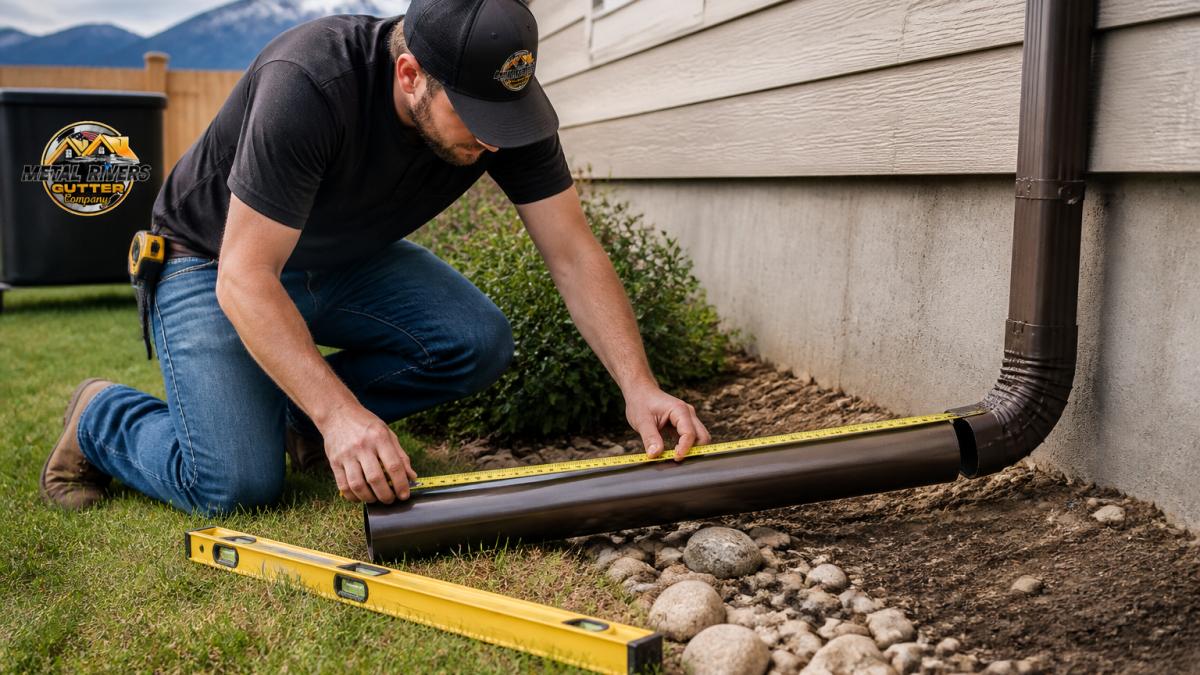
Gutters capture roof runoff before it hits the ground, and downspouts direct that water away.
A downspout that empties right at your foundation’s base is almost as bad as having no gutter system at all. The water still concentrates in one spot and erodes soil.
In winter, ice dams create a specific problem. Proper gutter maintenance and gutter cleaning help prevent ice dams by keeping gutters clear and water flowing. If your gutters are damaged or pulling away from the roofline, gutter and downspout repair can restore proper drainage before winter arrives. For long-term ice dam prevention, an Upgraded 540 micron gutter guard keeps leaves and debris out so water flows freely even during freeze-thaw cycles.
Consider flexible downspout extensions or buried drain systems for extra protection.
Grade Around Your House Foundation Correctly
Grading means shaping soil around your home to direct water away. It’s one of the most effective ways to prevent foundation erosion, and it doesn’t require expensive equipment.
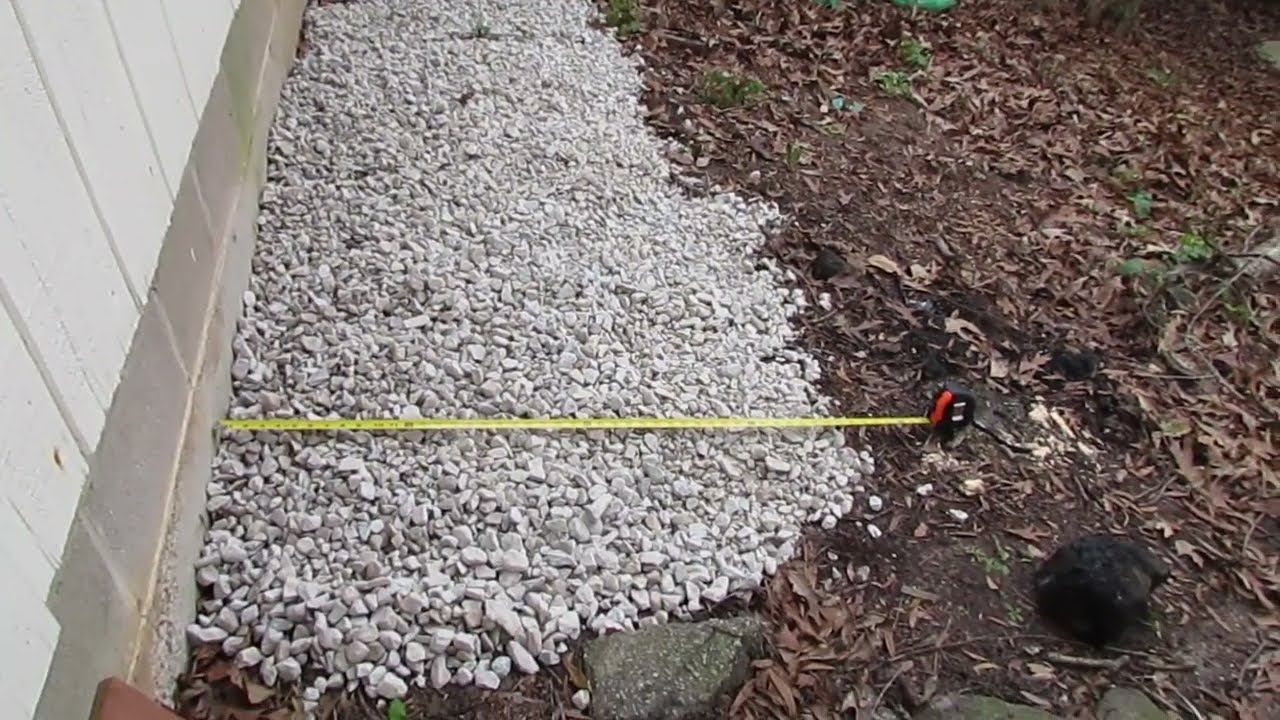
The goal is simple: create a slope that moves water away from your foundation, dropping about 6 inches over the first 10 feet.
Here’s how to grade properly:
-
Measure the current slope, Use a level and tape. Place the level on the ground at your foundation and note how much the ground drops (or rises) over 10 feet.
-
Identify low spots, Walk the perimeter after rain. Water pools in low spots, so those are your priority areas.
-
Add fill soil if needed, Use compacted soil matching your existing type. Don’t use topsoil alone; it settles unevenly. Compacted fill soil stays put.
-
Compact the soil, This is critical. Loose soil erodes faster and settles over time. Use a hand tamper for small areas or rent a plate compactor for larger sections.
-
Plant ground cover, Once graded, add grass, mulch, or ground cover plants to stabilize the new soil and prevent erosion.
Avoid piling soil directly against your foundation wall. Leave at least a 6-inch gap between fill soil and the foundation. Soil against the wall traps moisture and can cause foundation problems.
Use Landscaping to Prevent Soil Erosion
Plants and ground cover are nature’s erosion control. Roots hold soil in place. Vegetation breaks the force of falling rain. Strategic landscaping is one of the most effective long-term erosion solutions.
Near your foundation, focus on shallow-rooted plants that won’t damage it. Shrubs, ornamental grasses, and ground cover work well. Avoid large trees directly against your foundation; their roots can crack concrete.
Consider these landscaping options:
- Ground cover plants, Creeping juniper, sedum, and ornamental grasses stabilize soil and look good
- Mulch beds, 2-3 inches of mulch reduces erosion and insulates soil
- Rain gardens, Shallow planted areas that capture and filter runoff
- Native plants, Species adapted to your climate require less maintenance and handle water better
In winter, evergreen ground cover and plants with strong root systems help prevent erosion during freeze-thaw cycles.
Avoid planting directly in front of downspout discharge areas. Water concentration is too intense for most plants to handle. Instead, plant 6-8 feet away from downspout extensions, where water has dispersed naturally.
How to Fix Soil Erosion Around Your Foundation
Before you buy a single bag of fill dirt, figure out what you’re actually looking at.
Here’s how to tell them apart.
Signs it’s surface erosion only:
- Soil has washed away from the foundation, leaving a visible gap or trench along the wall
- You can see a clean line where dirt used to sit against the concrete or block
- Gullies or channels run downhill from a downspout, gutter overflow point, or a low spot in the yard
- The foundation itself is intact, no new cracks, no sticking doors, no sloping floors
- The problem shows up after heavy rain or spring snowmelt and then stabilizes
Signs it’s settlement or foundation movement:
- Stair-step cracks in brick or block, or horizontal cracks in a poured wall
- Doors and windows that suddenly stick or won’t latch
- Floors that feel sloped or bounce more than they used to
- Cracks that keep widening over weeks, not just after one storm
- A gap between the foundation and the siding that grows over time
If you’re seeing the second list, stop. Regrading won’t fix it.
Now, if you’ve confirmed it’s surface erosion, match the fix to the damage:
Minor erosion, exposed soil but no cracks:
- Regrade the area to restore the 6-inch drop over 10 feet
- Add compacted fill soil, not loose topsoil
- Install ground cover or 2 to 3 inches of mulch
- Extend downspouts farther out so water stops dumping in the same spot
Moderate erosion, visible gullies or small hairline cracks:
- Regrade more aggressively and build the soil elevation back up
- Compact in lifts, meaning 2 to 3 inches at a time, not one giant dump
- Lay erosion control fabric under the mulch to hold everything in place
- Add a shallow retaining wall if the slope is steep enough that soil won’t stay put
Severe erosion, large cracks, settlement, or a wet basement:
This is pro territory. A foundation specialist can tell you whether erosion has already compromised the structure.
One rule that saves a lot of grief: fix the water source first. Regrading soil without fixing drainage is like bailing out a boat without plugging the leak.
Don’t confuse a wet basement corner after one big storm with chronic seepage. One-time moisture usually points to a downspout or grading issue you can fix yourself. Water that shows up every time it rains, or that leaves a white powdery stain on the wall, points to a drainage or waterproofing problem that needs a closer look.
Maintenance and Seasonal Checks
Erosion prevention isn’t a one-and-done project.
The 15-minute perimeter walk (do this after any heavy rain or snowmelt):
- Start at the highest corner of the house and walk the full perimeter.
- Look for new gullies, exposed foundation, or soil pulled away from the wall.
- Check every downspout outlet. Water should be landing at least 4 to 6 feet from the foundation, not pooling at the base.
- Eyeball the slope. You want roughly a 6-inch drop over the first 10 feet. If it looks flat or tipped toward the house, that’s your problem spot.
- Note any new cracks, sticking doors, or wet spots in the basement.
Write down what you find and the date. A phone photo works fine.
Spring checks:
- Clear gutters and downspouts of winter debris
- Inspect for ice dam damage along the roof edge and gutter line
- Check grading for winter settling, frost heave pushes soil around
- Look for erosion gullies carved by snowmelt
- Re-seat any downspout extensions that shifted under snow load
Summer maintenance:
- Trim vegetation that’s blocking water flow or hiding the foundation
- Confirm downspout extensions are still attached and angled downhill
- Inspect for new erosion after heavy storms
- Water newly planted ground cover during dry spells so roots establish
Fall preparation:
- Clean gutters before the first freeze
- Trim tree branches hanging over the roof and gutters
- Re-check that soil still slopes away from the foundation
- Inspect the foundation for new cracks before winter locks everything up
Winter vigilance:
This is where gutters earn their keep. Ice dams form when snow on the roof melts, runs down to the cold eaves, and refreezes.
- Keep gutters and gutter guards clear of leaves and pine needles so meltwater has somewhere to go
- Watch for icicles and ice ridges, both signal a developing ice dam
- Knock heavy snow off the roof edge with a roof rake if it’s safe to reach from the ground
- Monitor the basement for moisture during thaws
- Shovel snow away from the foundation if drifts pile up against the wall
Homeowners who spend 30 minutes per season on this loop catch problems while they’re still a bag of dirt and an afternoon of work.
Set a phone reminder for the first weekend after daylight saving changes in spring and fall. Those two dates line up almost perfectly with when you need to be walking the perimeter anyway.
When to Call a Professional
Some erosion problems need expert help. Call a professional if:
- Foundation cracks are widening, This suggests active settlement, not just erosion
- Water enters your basement regularly, This indicates drainage problems beyond surface erosion
- The slope is too steep to grade safely, Steep slopes need retaining walls or professional grading
- You’re unsure about soil type or stability, Different soils erode at different rates
- Gutters are damaged or pulling away, Improper installation can make erosion worse
Metal Rivers Gutter Company offers a free gutter inspection to assess how your gutter system is performing. If your gutters need work, we also provide new gutter installation to ensure proper slope and drainage from the start.
If you’ve already experienced erosion damage, a foundation specialist should evaluate the structural impact. Sometimes what looks like surface erosion has affected the foundation’s stability.
Frequently Asked Questions
How does poor drainage cause foundation erosion?
When water doesn’t drain away from your foundation, it pools against the foundation wall and seeps into the soil. This excess moisture weakens the soil, causing it to compact unevenly and settle. Over time, the foundation shifts as the soil erodes beneath it, leading to cracks, settling, and structural damage. Proper drainage and grading direct water away from the foundation, keeping the soil stable and dry.
How far should downspouts discharge water from a foundation?
Downspouts should discharge water at least 4 to 6 feet away from your foundation. In areas with heavy rainfall or poor soil drainage, extend them even further, up to 10 feet. The goal is to move roof runoff beyond the foundation’s footprint so water doesn’t pool near the base. Downspout extensions are an affordable way to protect your foundation from water damage.
Can plants help prevent soil erosion around a house?
Yes. Plants and ground cover stabilize soil by holding it in place with their root systems. Grass, shrubs, and groundcover reduce water runoff and allow moisture to absorb gradually rather than rushing toward your foundation. Native plants are ideal because they’re adapted to local rainfall and soil conditions. Avoid planting large trees too close to the foundation, as their roots can cause other problems.
What are the signs of erosion near a foundation?
Look for exposed soil, settling, or gaps between the foundation and soil. You might see water pooling after rain, cracks in the foundation wall, or areas where soil has washed away. In winter, watch for ice dams in gutters that trap water against the roof line, or icicles forming along the foundation, signs that water isn’t draining properly. Early detection prevents costly foundation repairs.
Foundation erosion starts small but compounds quickly. Proper drainage, grading, and landscaping stop water before it damages your home’s base. The investment in prevention is far smaller than the cost of foundation repair. Get a quote from Metal Rivers Gutter Company to ensure your gutter system is protecting your foundation the way it should.